
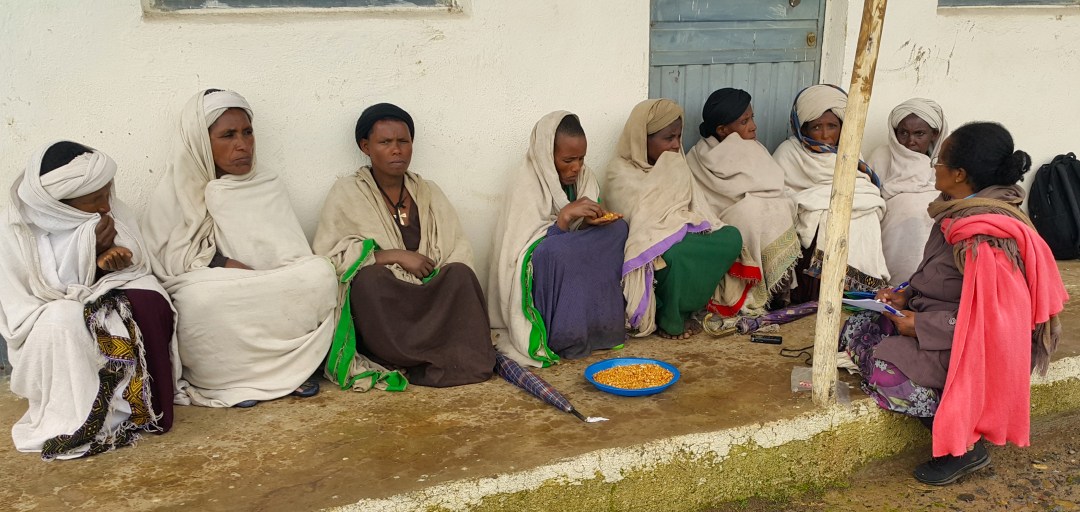
This International Women’s Day, celebrated under the theme "GiveToGain," we honor the remarkable journey of Dr. Bosena Tegegne, an Associate Professor in Agricultural Economics. Through her dedication and contributions, she has inspired change, empowered communities, and paved the way for a brighter future in agriculture. Childhood dream As a child, Dr. Bosena dreamed of becoming … Continue reading Advice from a changemaker: Dr. Bosena’s tips for aspiring women in research
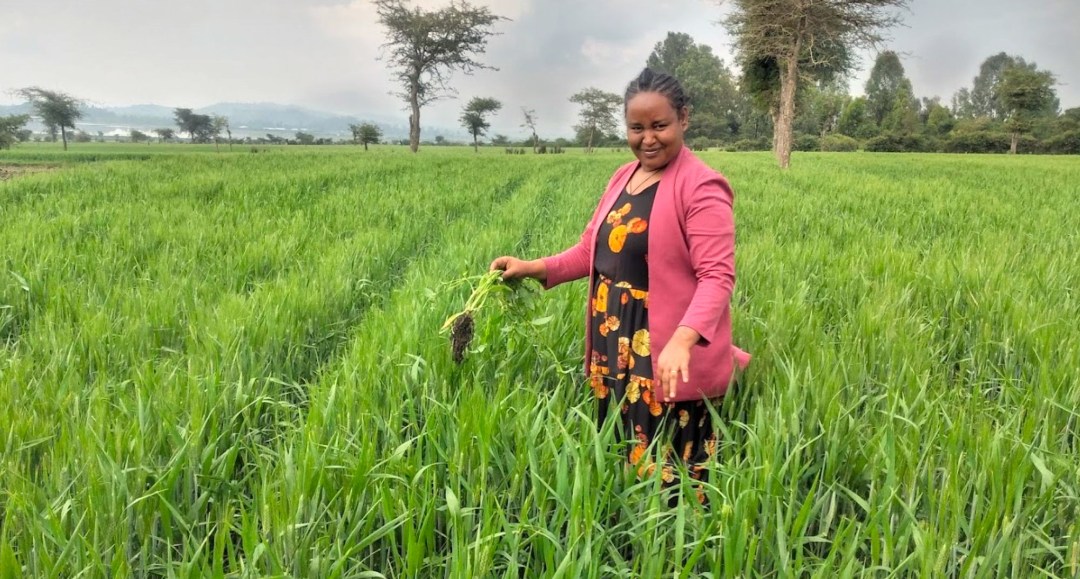
Celebrating Truayinet Mekuriaw: An exemplary woman in agricultural research
On this International Women’s Day, celebrated under the theme "GiveToGain," we take pride in highlighting the inspiring journey of Truayinet Mekuriaw, a dedicated agricultural researcher and advocate for gender equality. Truayinet Mekuriaw holds a B.Sc. in Rural Development and Agricultural Extension from Haramaya University and an M.Sc. in Rural Development from Hawassa University. Her professional … Continue reading Celebrating Truayinet Mekuriaw: An exemplary woman in agricultural research
Atsede Solomon Retta: A journey of passion, perseverance, and impact in agricultural research
From childhood dreams to agricultural innovation Growing up inspired by her determined mother, Atsede's childhood dream was to become a doctor. However, as she became more aware of the challenges of rural poverty and hunger in Ethiopia, her vision shifted toward creating solutions for these pressing issues. Her passion for improving access to food, education, … Continue reading Atsede Solomon Retta: A journey of passion, perseverance, and impact in agricultural research
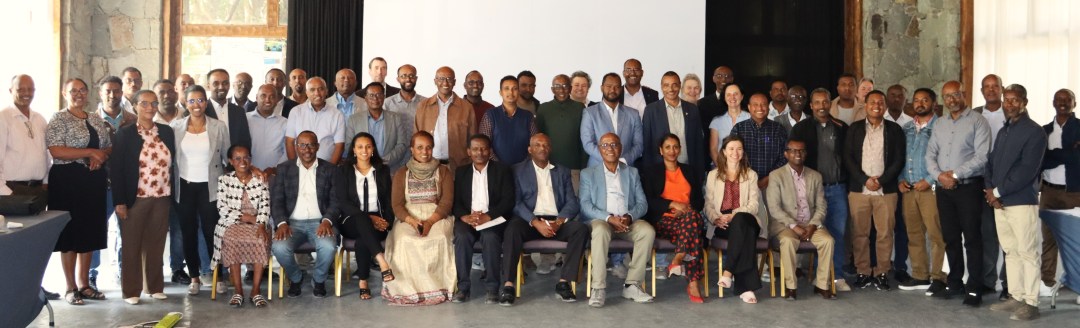
Catalysing food system transformation in Ethiopia: Insights from the RAISE-FS expert workshop
An expert workshop entitled “Expert Workshop on Food System Transformation for Ethiopia – experiences from RAISE-FS” was organized on February 5th, 2026. The main aim of the Expert workshop was to create a space for key high-level Experts from relevant public organizations (MoA, MoTRI, MoPD), Knowledge Institutes (HLIs and ARIs), private actors, and development partners … Continue reading Catalysing food system transformation in Ethiopia: Insights from the RAISE-FS expert workshop
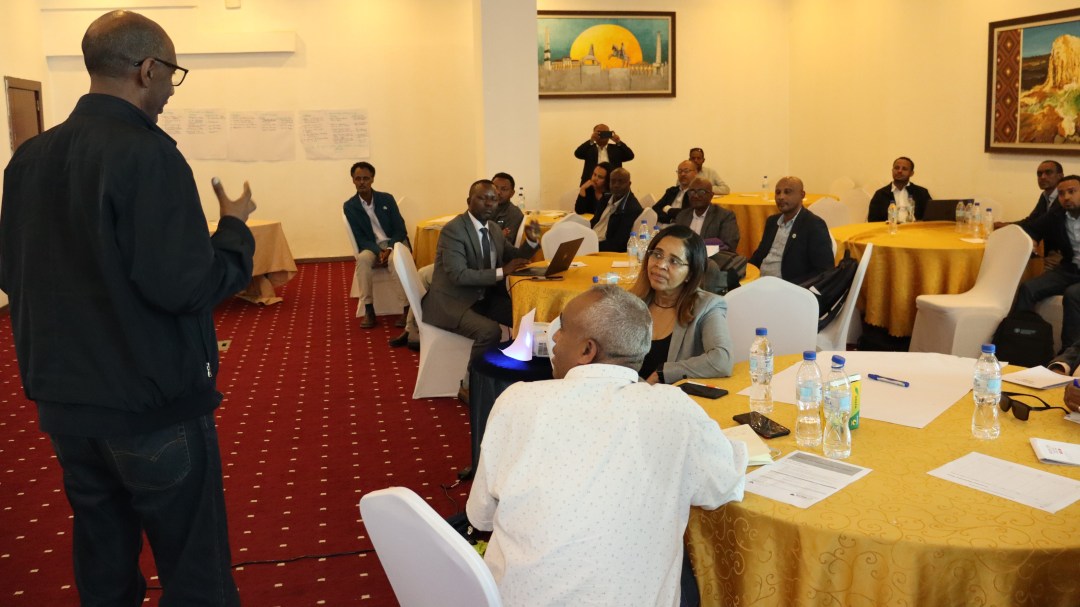
Validation workshop highlights progress and challenges in one health adoption and integration in Ethiopia
To promote One Health (OH) approach adoption and integration in Ethiopia, the SWR Ethiopia RAISE-FS project facilitated a validation workshop for a comprehensive study titled “Assessment of One Health Policy Adoption and Integration in Ethiopia.” The study, commissioned and technically supported by the project, was conducted across four regions: Amhara, Oromia, South, and Tigray. The … Continue reading Validation workshop highlights progress and challenges in one health adoption and integration in Ethiopia
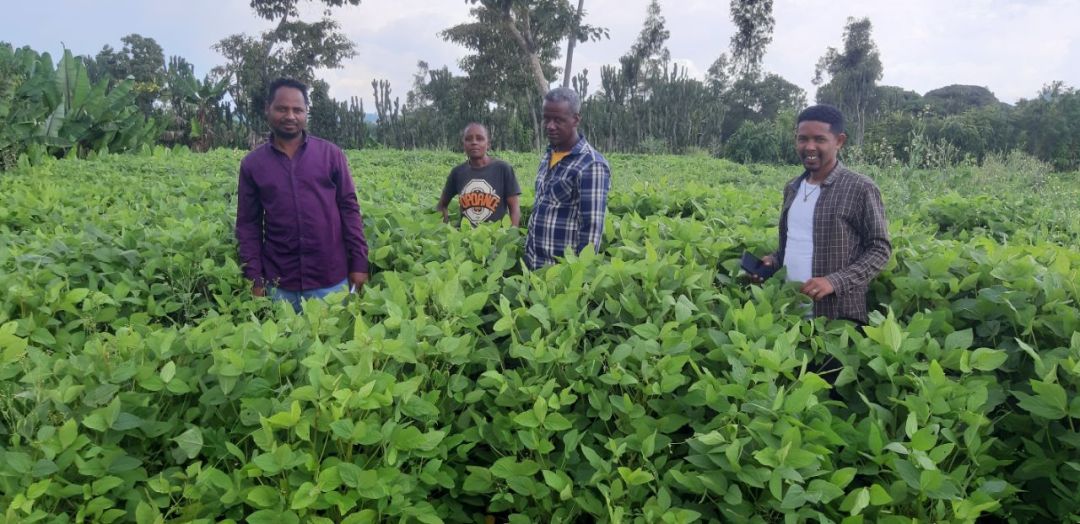
Breaking bottlenecks in soybean consumption: Cooking demonstration in Sidama Region, Ethiopia
In a significant effort to enhance soybean consumption and promote its integration into local diets, a cooking demonstration was recently conducted in the Sidama region of southern Ethiopia. This event, organized by the SWR Ethiopia RAISE-FS project in collaboration with Hawassa University, took place in the Hawassa Zuria district and brought together over 160 participants. … Continue reading Breaking bottlenecks in soybean consumption: Cooking demonstration in Sidama Region, Ethiopia
SWR Ethiopia and Wollo University join forces for the TRANSFORM Project
On July 23rd, 2025, a collaboration agreement was signed between SWR Ethiopia and Wollo University to implement the TRANSFORM project in South Wollo Zone. The signing ceremony took place at the Swiss Inn Hotel in Addis Ababa, attended by notable figures including Dr. Dawit Alemu, SWR Ethiopia Country Representative; Dr. Tewodros Tefera, SWR Ethiopia TRANSFORM … Continue reading SWR Ethiopia and Wollo University join forces for the TRANSFORM Project
Unlocking the potential of soybean in Southern Ethiopia: Key take aways from soybean innovation platform
South Ethiopia is emerging as a region with immense potential for soybean production and marketing. Recognizing this opportunity, SWR Ethiopia, in partnership with Hawassa University, has been actively working to validate soybean innovations and foster collaboration among stakeholders in the soybean value chain. In a significant step towards this goal, a soybean innovation platform workshop … Continue reading Unlocking the potential of soybean in Southern Ethiopia: Key take aways from soybean innovation platform
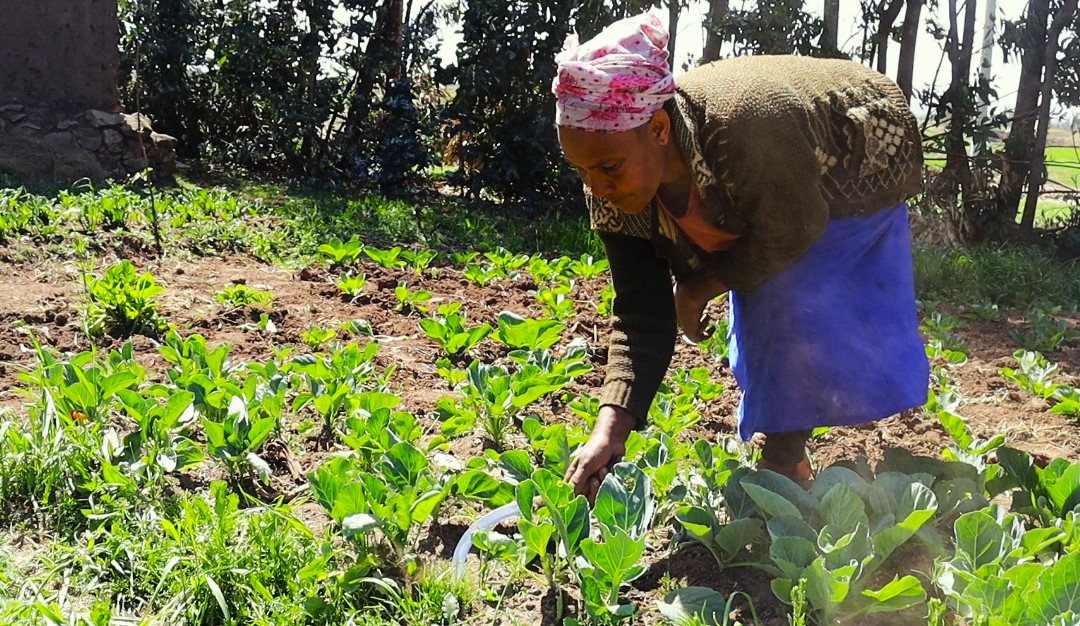
Transforming healthier lives through home gardens andsocial behaviour change communication
SWR Ethiopia’s RAISE-FS project is making strides in dietary diversity and improved nutrition, with a focus on empowering communities to grow safe and nutritious food by promoting home gardens and Social and Behavioural Change Communication (SBCC) interventions using the Ethiopian Food Based Dietary Guideline (EFBDG). In Angot, one of the food-insecure woredas in the North … Continue reading Transforming healthier lives through home gardens andsocial behaviour change communication
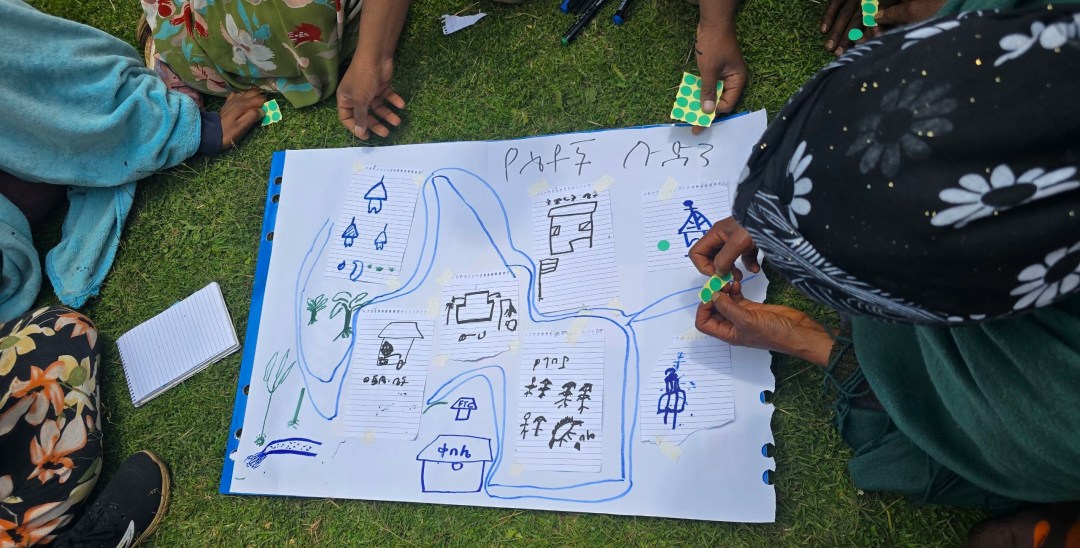
From data to dialogue: Co-created stories of shifting norms
How a participatory approach helped communities and experts reflect, learn, and transform together Between June 8th and 14th, RAISE-FS teams from four regions convened in Gumer woreda, located in the Central Ethiopia Region, to mark the conclusion of a year-long pilot of the Social Analysis and Action (SAA) approach. This gathering was not merely a … Continue reading From data to dialogue: Co-created stories of shifting norms
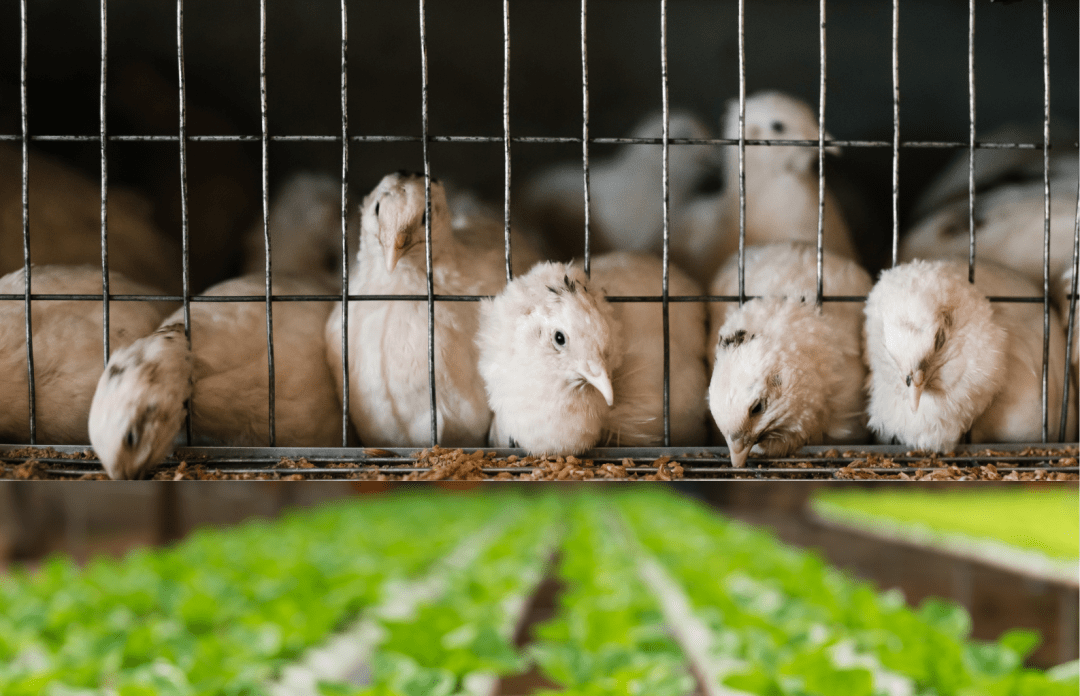
Hydroponic fodder production: A promising alternative to rising poultry feed costs
The Ethiopian poultry sector, grappling with escalating feed costs, is turning to an innovative solution: hydroponic fodder production. This sustainable alternative promises to alleviate the financial strain on farmers by providing an affordable and nutrient-rich feed option. The soaring prices of conventional feed ingredients such as maize and soya bean have placed a heavy burden … Continue reading Hydroponic fodder production: A promising alternative to rising poultry feed costs
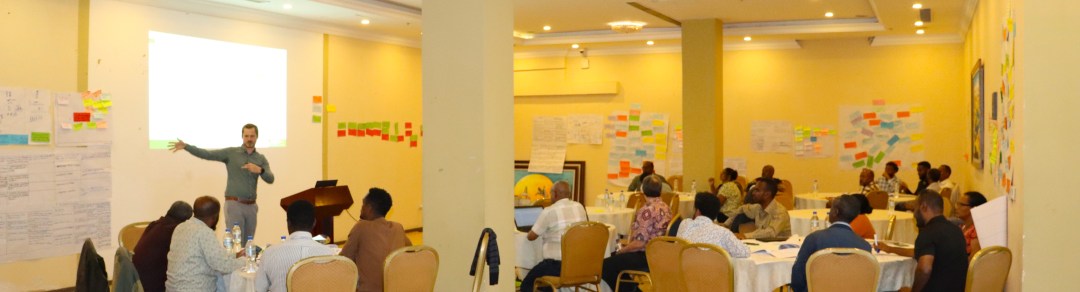
Empowering Ethiopian professionals through international capacity building trainings
In an era where global food systems face unprecedented challenges, from climate change to population growth, the need for skilled professionals to lead sustainable and innovative solutions has never been more critical. Ethiopia, a nation with a rich agricultural heritage and immense potential, is taking significant strides by adopting a food system transformation approach as … Continue reading Empowering Ethiopian professionals through international capacity building trainings
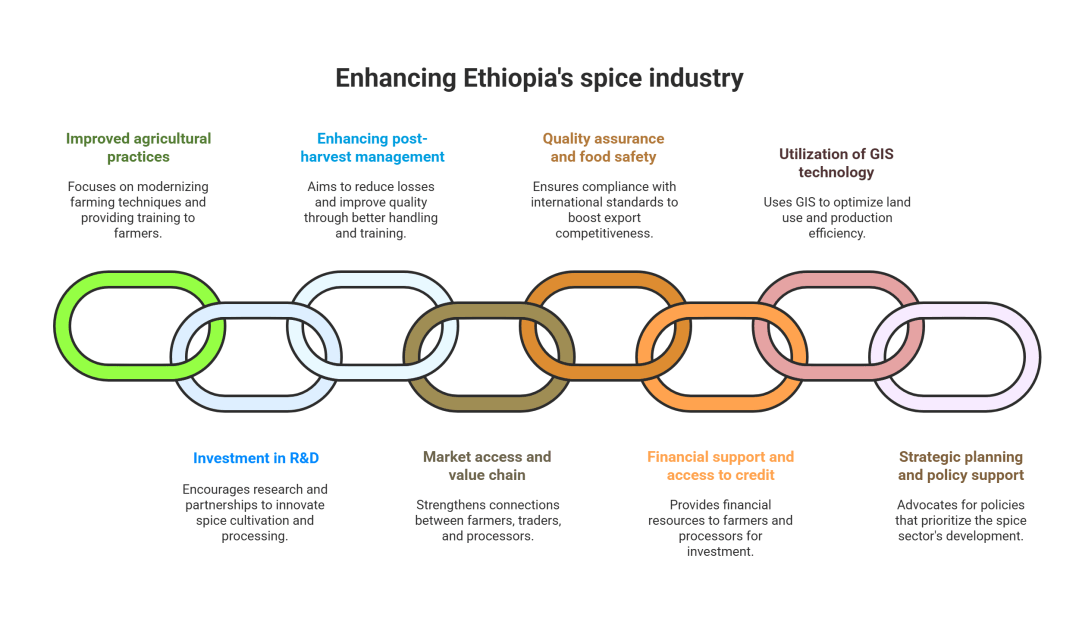
Ethiopia’s spice industry has immense potential for development
Ethiopia, a land known for its rich cultural heritage and diverse agriculture, holds an untapped treasure trove in its spice sector. According to a recent working paper by RAISE-FS (link), the country has over 50 spice varieties registered for the major 10 types of spices, including korarima, cumin, pepper, and fenugreek. Despite Ethiopia’s favourable agroecological … Continue reading Ethiopia’s spice industry has immense potential for development
National Nutrition-Sensitive Agri-Food System Forum update
RAISE-FS contributes to strengthening national nutrition-sensitive agri-food systemsThe Food and Nutrition Office (FNO) at the Federal Ministry of Agriculture (MoA), in partnership with the SWR Ethiopia RAISE-FS project, successfully hosted the 6th quarterly meeting of the National Nutrition-Sensitive Agri-Food System (NSAFS) forum in March 2025. The event took place at Nexus Inn Hotel and brought … Continue reading National Nutrition-Sensitive Agri-Food System Forum update
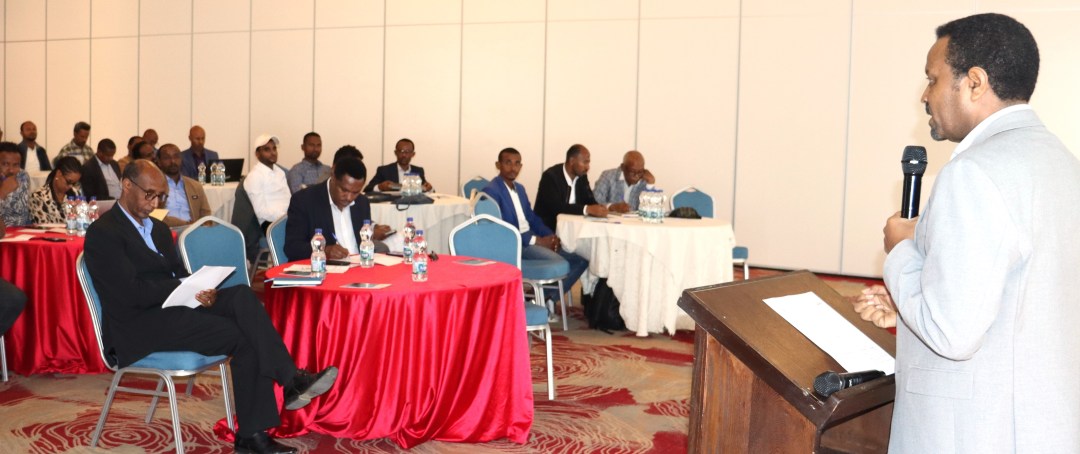
Food safety stakeholders validate key safety guidelines
The Ethiopian Agriculture Authority (EAA), in collaboration with SWR Ethiopia RAISE-FS project, hosted a validation workshop on Good Agricultural Practices (GAP), Good Handling Practices (GHP), Good Manufacturing Practices guidelines for sesame, hot pepper, and poultry that improve the quality and safety along vale chains. The event aimed to address critical food safety challenges impacting Ethiopia's … Continue reading Food safety stakeholders validate key safety guidelines

Ethiopia’s coffee sector faces EUDR compliance challenges as stakeholders validate key assessment
The Ethiopian coffee sector, a vital pillar of the nation’s economy, is navigating a critical juncture as it prepares to comply with the European Union Deforestation Regulation (EUDR). The regulation, which takes effect in December 2025, aims to halt the import of commodities linked to deforestation into the EU. Given that coffee accounts for one-third … Continue reading Ethiopia’s coffee sector faces EUDR compliance challenges as stakeholders validate key assessment
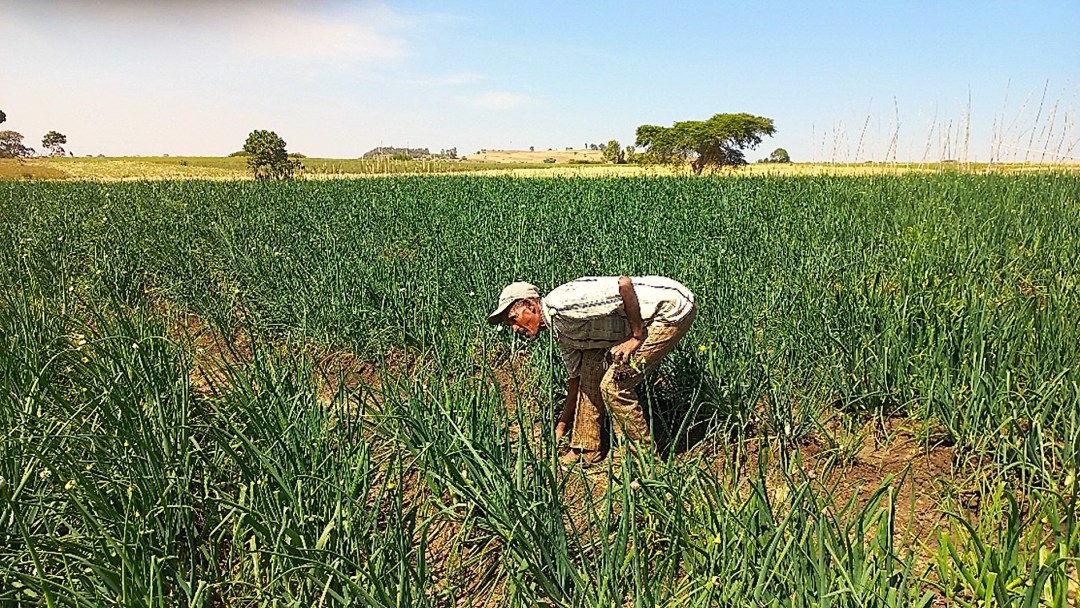
Onion seed production initiative is showing promising results in Sire woreda
A collaborative effort between the Melkassa Agricultural Research Centre (MARC), the RAISE-FS Project, and local stakeholders is transforming agricultural practices in Sire woreda, with a focus on onion seed production. A recent field visit to the farm of Mr. Fetene Haylu Abate in Gassala Shashe kebele revealed the significant impact of this initiative on local … Continue reading Onion seed production initiative is showing promising results in Sire woreda
Short course on food safety
Foodborne diseases caused by contamination at various stages of food production, delivery, and consumption pose significant public health challenges. These illnesses, stemming from bacteria, viruses, parasites, or chemical substances like heavy metals, account for over 200 diseases ranging from diarrhoea to cancer. Beyond their immediate effects, foodborne diseases can exacerbate undernutrition due to symptoms such … Continue reading Short course on food safety
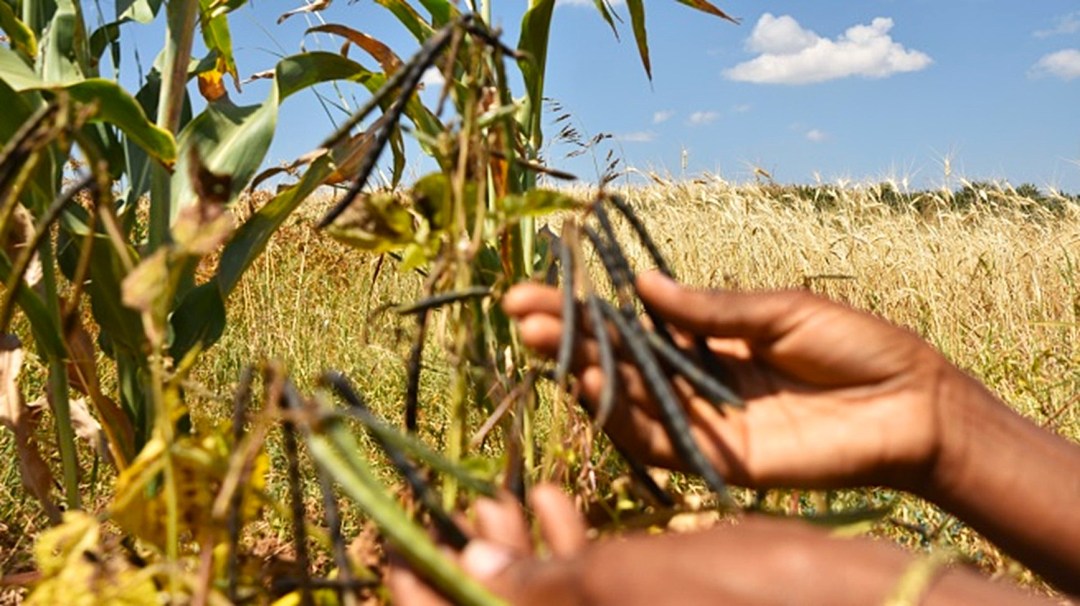
Beating climate change with sorghum & mung beans intercropping
Farmers in Mahbere Genet kebele, Enderta woreda, are experiencing a shift in their farming system with the introduction of sorghum-mung bean intercropping. This innovative farming technique is helping them adapt to climate change while improving yields, soil health, and overall profitability. Traditionally, farmers in the area relied on long-maturing local sorghum varieties. However, delayed rainfall … Continue reading Beating climate change with sorghum & mung beans intercropping
Efforts to tackle improved faba bean seed shortages in Wolmera woreda
Farmers in Wolmera woreda have long been grappling with challenges in accessing quality faba bean seeds, a critical issue that has significantly impacted their productivity and food security in the area. Faba beans, a staple crop in the area, play a vital role in both local diets and as a source of income for farming … Continue reading Efforts to tackle improved faba bean seed shortages in Wolmera woreda
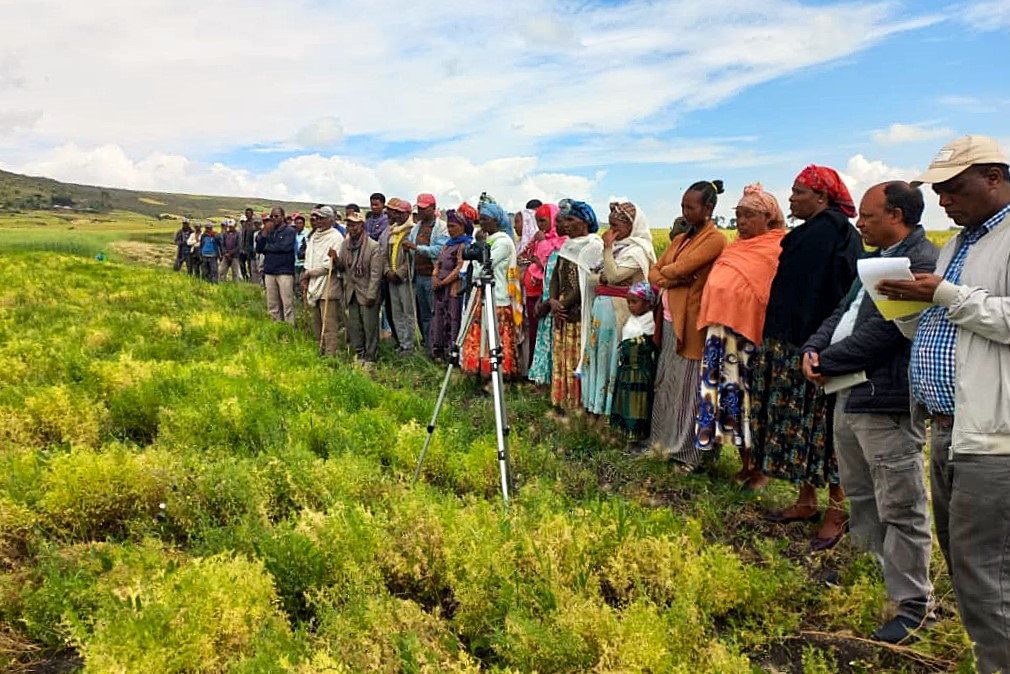
Revitalizing lentil production in Ada’a and Gimbichu woredas: Promising results and new momentum
In a concerted effort to revitalize lentil production in Ethiopia's Ada’a and Gimbichu woredas, recent field days at Keteba kebele and Habru Seftu kebele have underscored significant progress and generated renewed interest among local farmers. The initiative was designed to reestablish lentils as a viable and profitable crop, following a period of disruption in its … Continue reading Revitalizing lentil production in Ada’a and Gimbichu woredas: Promising results and new momentum
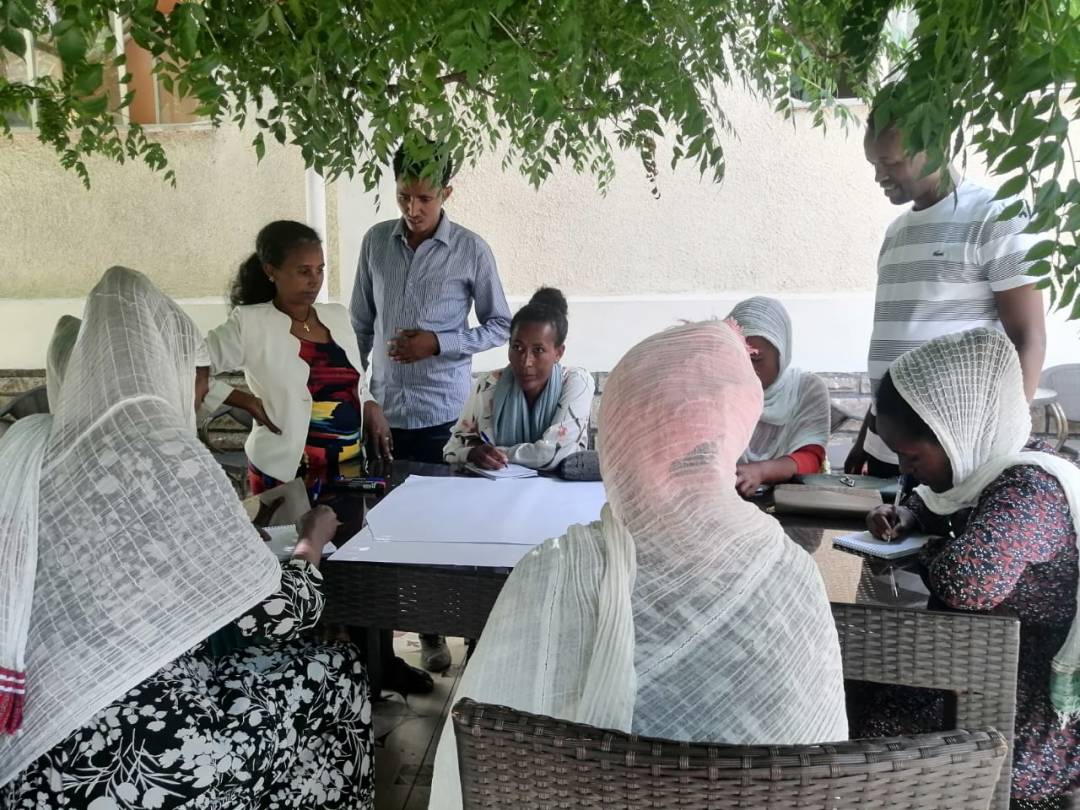
From Grassroots to Changemakers: Empowering local leaders to tackle gender inequality
In today's society, promoting gender equality and inclusion is of utmost importance. One effective way to achieve this is through staff training on gender transformative approaches. Equipping staff members with the knowledge and skills to address the root causes of gender inequality can create a more inclusive and empowering environment for everyone. As part of … Continue reading From Grassroots to Changemakers: Empowering local leaders to tackle gender inequality
Announcement for consulting services
The RAISE-FS project is a four-year initiative aimed at transforming Ethiopia's food system by championing demand-driven and interdisciplinary research. The project envisions a future where Ethiopia's food system is resilient to environmental and economic shocks and inclusive of all stakeholders, particularly women, youth, smallholder farmers, and marginalized groups. It focuses on empowering rural communities to … Continue reading Announcement for consulting services
Cultivating healthier diet habits in RAISE-FS intervention areas
Armed with key messages from the Ethiopian Food-Based Dietary Guidelines, participants are now better equipped to promote dietary diversity, health and well-being within their communities RAISE-FS is embarking on an action research project aimed at implementing the Ethiopian Food-Based Dietary Guideline (EFBDG) through the piloting of Social Behavioural Change Communication (SBCC) strategies. By promoting the … Continue reading Cultivating healthier diet habits in RAISE-FS intervention areas
Empowering Gender Transformation: Insights from SAA training in Oromia
Gender inequality continues to be a significant issue with far-reaching implications for various aspects of society, including economic participation, access to resources, and overall economic development. These disparities are particularly pronounced within the context of agriculture and food systems, perpetuating cycles of poverty and food insecurity. In response to this challenge, the RAISE-FS project has … Continue reading Empowering Gender Transformation: Insights from SAA training in Oromia
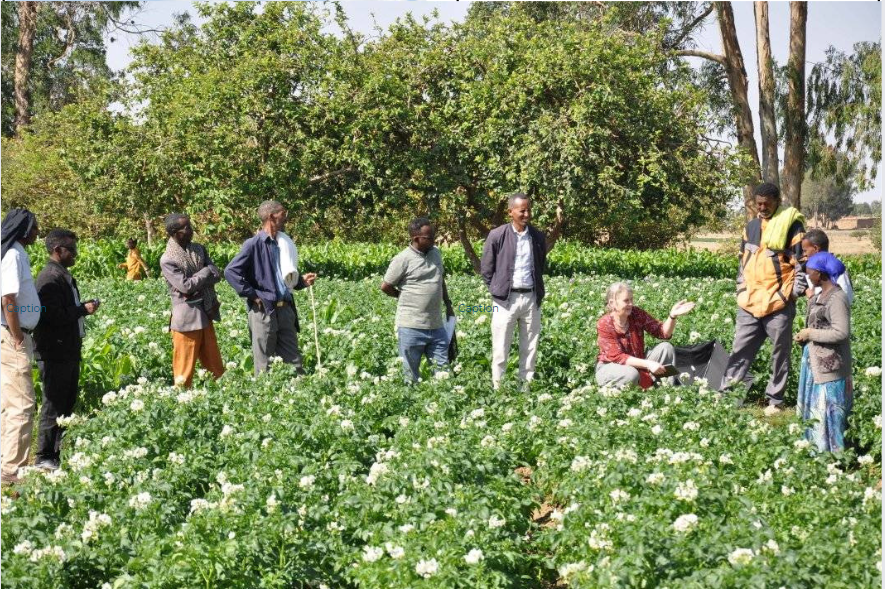
Revitalizing Tigray’s Seed System: A step towards transforming the food system
The agricultural sector in Tigray, Ethiopia, has long been the backbone of the region's economy, with a focus on crop production and cattle fattening. However, recent years have brought unprecedented challenges, including the COVID-19 pandemic, desert locust infestations, and the outbreak of conflict in November 2020. The cumulative effect of these adversities has created a … Continue reading Revitalizing Tigray’s Seed System: A step towards transforming the food system
Biannual meeting of the Ethiopian Network for Gender Equality in Agriculture
The Ethiopian Network for Gender Equality in Agriculture (ENGEA) is a national platform established by the Ethiopian Ministry of Agriculture in 2015 to close the gender gap in Ethiopian agriculture through the exchange of experience and information, partnership and networking, research, advocacy, and services. In the past eight years, the network has been organizing regular … Continue reading Biannual meeting of the Ethiopian Network for Gender Equality in Agriculture

A glimmer of hope for ginger production in Southern Ethiopia after years of stagnation
After several years of halted production, ginger cultivation has returned to southern Ethiopia, bringing hope to farmers and the local economy. The region has a long history of producing high-quality ginger, but disease pressure and unfavorable weather conditions have hampered production in recent years. However, with the support of research and partners, farmers in the … Continue reading A glimmer of hope for ginger production in Southern Ethiopia after years of stagnation
Innovation Fund 2nd Call for Proposals
Stichting Wageningen Research (SWR) Ethiopia is an international NGO registered in Ethiopia since March 2021 with the FDRE Agency for Civil Society Organizations. The organization is established with the objectives of promoting a more resilient, inclusive and sustainable food systems in Ethiopia. SWR Ethiopia currently implements four projects; Resilient Agriculture for Inclusive and Sustainable Ethiopian … Continue reading Innovation Fund 2nd Call for Proposals
Intercropping: A promising technique for increased productivity and food security
The tradition of growing sole crops is a common practice in most parts of Ethiopia, where cereal crops dominate. However, in some parts of southern Ethiopia, like Wolaita and Sidama, farmers cultivate multiple crops concurrently with different patterns of mixing. Intercropping is a farming technique where two or more crops are grown together in the … Continue reading Intercropping: A promising technique for increased productivity and food security

Exploring local level agricultural potentials and bottom-up planning for sustainable development
RAISE-FS has developed woreda food system profiles for nine target areas based on rapid food system appraisals (RFSA). These profiles provide evidence-based insights into local food systems, enabling stakeholders to design inclusive and sustainable agricultural strategies. The handover of these profiles to local stakeholders marked a significant milestone in institutionalizing the bottom-up planning approach. During … Continue reading Exploring local level agricultural potentials and bottom-up planning for sustainable development
Consultative workshop on the pesticide life cycle in Ethiopia
To enhance sustainable agricultural production in the country, there should be a safe and sound pesticide life cycle. To this end, RAISE-FS conducted a consultative workshop on the pesticide life cycle in Ethiopia. The objective of the workshop was to jointly identify the challenges, opportunities and jointly propose course of action and share responsibilities. The … Continue reading Consultative workshop on the pesticide life cycle in Ethiopia
Stakeholders workshop on fertilizer supply chain in Ethiopia conducted
Inorganic fertilizer is a crucial component for increasing agricultural output in Ethiopia's food system. However, because it is not produced domestically, there is a significant reliance on import, which makes the country very vulnerable to global price shocks. If these global drivers are not appropriately handled, they could have a detrimental effect on Ethiopia's food … Continue reading Stakeholders workshop on fertilizer supply chain in Ethiopia conducted
Validation workshop and consultative meeting on national food safety system assessment
RAISE-FS organized National Food Safety System Assessment Validation meeting with the objective of presenting findings, validating possible recommendations, and prioritizing key points to be addressed and stakeholders to be involved. An opening speech and introduction to the RAISE-FS project were given by Dr. Dawit Alemu, the project manager and country representative for SWR Ethiopia. He … Continue reading Validation workshop and consultative meeting on national food safety system assessment
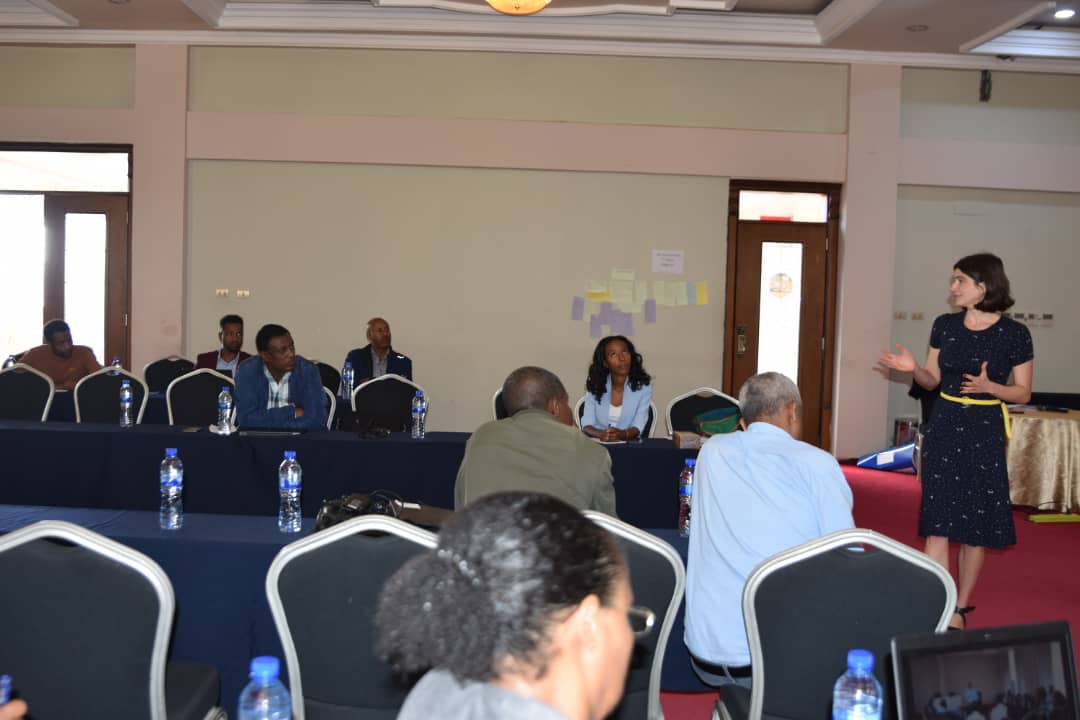
Training held on Nutrition Sensitive Agriculture
SWR/RAISE-FS in collaboration with Ministry of Agriculture (MoA) organized Training of Trainers (ToT) workshop on nutrition sensitive agriculture (NSA ) from November 28- December 2, 2022 at Adama. In attendance were 20 individuals including representatives from research institutes and their affiliated center's, universities and regional RAISE-FS teams. The objectives of the training were to provide … Continue reading Training held on Nutrition Sensitive Agriculture
Agricultural professional societies in Ethiopia: how they can serve as a national think-tank for agricultural transformation
A national event was organized by the Ethiopian Agricultural Transformation Institute (ATI) on 3rd December, 2022 to discuss about how the different agricultural professional societies can work together for better contribution to the agricultural sector transformation meanwhile promoting their respective profession in education, research and development. Representatives of the agricultural professional societies reported that their … Continue reading Agricultural professional societies in Ethiopia: how they can serve as a national think-tank for agricultural transformation
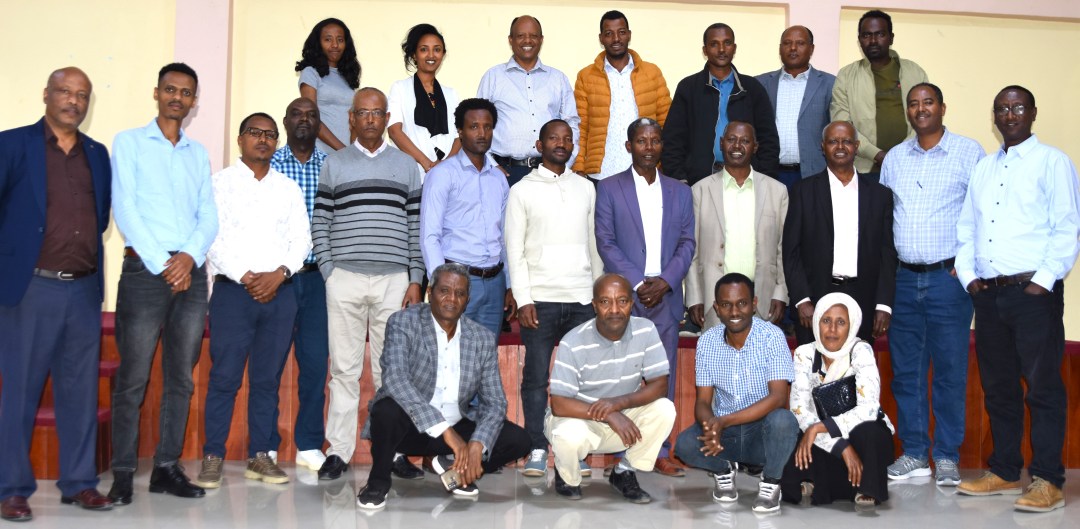
Consultative workshop to revitalize ginger
Ginger has since been known in Ethiopia and is cultivated primarily in the humid regions of the Southern parts of the country. Though there is huge potential for production and export earnings, there are lots of challenges that keep the performance of the commodity very low. The ginger problem was identified as a crucial concern … Continue reading Consultative workshop to revitalize ginger
Innovation Fund 1st Call for Proposals
Stichting Wageningen Research (SWR) Ethiopia is an international NGO registered in Ethiopia since March 2021 with the FDRE Agency for Civil Society Organizations. The organization is established with the objectives of promoting a more resilient, inclusive and sustainable food systems in Ethiopia. SWR Ethiopia currently implements four projects; Resilient Agriculture for Inclusive and Sustainable Ethiopian … Continue reading Innovation Fund 1st Call for Proposals
Ethiopian delegates from the horticulture field visited Wageningen University & Research
In the week of 25 September, an Ethiopian delegation representing both the public and private sector visited the Netherlands. The mission focused on exchanging knowledge and experiences in the field of food safety, phytosanitary and quality for vegetables, fruit and cut flowers. The delegation visited amongst others, LNV (the Dutch ministry of Agriculture), NVWA (the … Continue reading Ethiopian delegates from the horticulture field visited Wageningen University & Research
Baseline survey and Rapid Food System Appraisal findings validated
Resilient Agriculture for Inclusive and Sustainable Ethiopian Food System (RAISE FS) project is being implemented in partnership with different stakeholders. One of the regions where the project operate is Oromia region. In Oromia region the project collaborates with different stakeholders which includes implementing partners namely Ethiopian Institute of Agricultural Research (EIAR) and Haramaya university and … Continue reading Baseline survey and Rapid Food System Appraisal findings validated
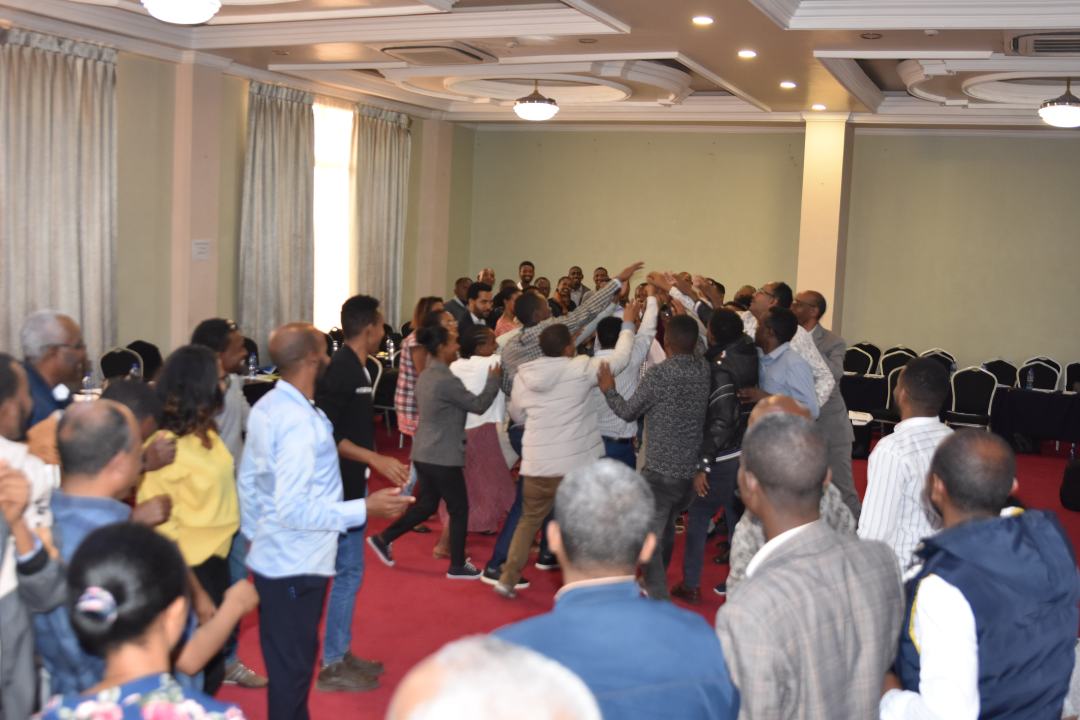
Rapid Food System Appraisal in RAISE-FS
Understanding the nature, processes, drivers and governance of local food systems is a key priority to identify leverage points. To this end RAISE-FS has designed and implementing a Rapid Food System Appraisal approach to generate qualitative insights on key food system challenges and opportunities by engaging local stakeholders in action research. The Rapid food system … Continue reading Rapid Food System Appraisal in RAISE-FS
Highlights from a nutrition scoping study
Malnutrition is a serious problem among the poor population of developing countries including Ethiopia. Meeting dietary standards remains the challenge to Ethiopia. Scanning thefood systems to analyse the various actors engaged in nutrition and food safety is critical for identifying viable intervention strategies and adhering to the concepts of sequencing, layering, and integration during nutrition … Continue reading Highlights from a nutrition scoping study
Sharing Experience and Exploring Possibilities for Partnership between Worldveg Ethiopia and RAISE-FS
RAISE-FS and ENSP staffs met with Worldveg Ethiopia team on 22nd of July 2022 at SWR Ethiopia office to share experiences and discuss opportunities for collaboration. Dr. Tewodrose Terefe, RAISE-FS senior advisor, made an introductory remark to set the scene of the learning event. In his introductory remark he cited the forum's general objective as … Continue reading Sharing Experience and Exploring Possibilities for Partnership between Worldveg Ethiopia and RAISE-FS
Spices private sector validation workshop
The Ethiopian Spices Aromatic and Herbs Growers and Processors Association (ESAHGPA) and RAISE FS agreed to collaborate in future platform meetings which would also help the association identify potential new members as well as enhance the engagement ofexisting members aside from discussing major sector challenges with other stakeholders. ESAHGPA held its general assembly on July … Continue reading Spices private sector validation workshop
ESTABLISHING A LIVING LAB: KEY LESSSONS FROM ETHIOPIA
By Jonah Muthui (PhD) Nakuru Living lab (Egerton University, Njoro, Kenya) The success of a living lab requires active involvement of all actors in co-creating a vision, defining the objectives and identifying activities that achieve these objectives. The REFOOTURE project’s objective is to transform food systems to regenerative and inclusive systems. To achieve this objective, … Continue reading ESTABLISHING A LIVING LAB: KEY LESSSONS FROM ETHIOPIA
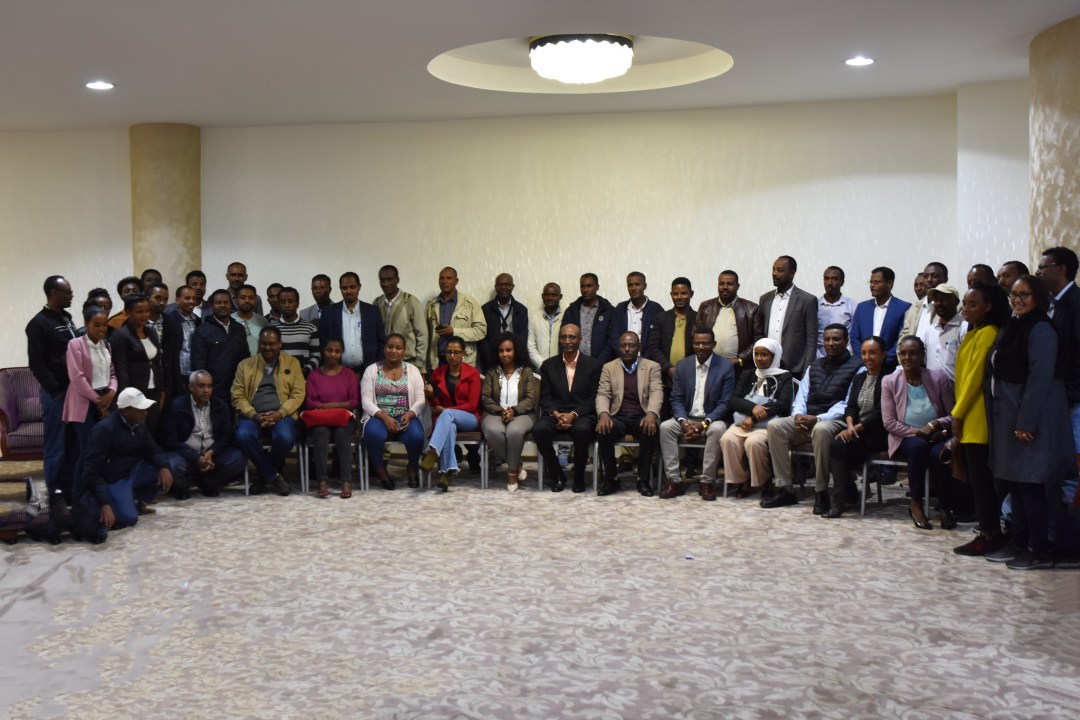
RAISE-FS facilitates 2022 planning and validation workshops
Planning workshopIn order to improve collaboration and partnerships, RAISEFS recognises stakeholder engagement as an important first step in project implementation. As a result, a collaborative planning session was held in each of the regions following the signing of the collaborationagreement between RAISE-FS and the implementing partners. The planning workshops wereconducted for two days in each … Continue reading RAISE-FS facilitates 2022 planning and validation workshops
Transforming a village using game-changer innovations model: The case of South Achefer living lab in Ethiopia
By Tewodros Tefera (PhD) The REFOOTURE project (Food Futures Eastern Africa) promotes Regenerative Inclusive Food systems (RIFS) using a Living lab as a platform to bring thinkers, enablers, and doers to facilitate the process of change and transformation. It collects evidence, identifies pathways, and supports collaboration in innovation co-creation of regenerative and inclusive food systems … Continue reading Transforming a village using game-changer innovations model: The case of South Achefer living lab in Ethiopia
Soaring fertilizer costs threateningfood and nutrition security in Ethiopia
Global developments are causing a chain of spin-off effects that influence the food chain at an international and local scale. The ongoing conflict between Ukraine and Russia has resulted in price increases for natural gas which is needed to produce ammonia and then nitrogen, key elements of fertilizers, as well as increased fertilizer transportation costs.The … Continue reading Soaring fertilizer costs threateningfood and nutrition security in Ethiopia

Mapping gender and youth focused initiatives in theagriculture sector: a scoping study
Several governmental and non-governmental organizations, UN agencies, international organizations, civil society and research organizations are currently engaged in addressing gender and social inclusion issues in Ethiopia’s agriculture sector. However, there is stilllimited coordination and collaboration between these stakeholders, which results in duplication of effort, fragmentation of resources, and the use of various approaches and methodologies. … Continue reading Mapping gender and youth focused initiatives in theagriculture sector: a scoping study
RAISE-FS: supporting food system transformation endeavours in Ethiopia
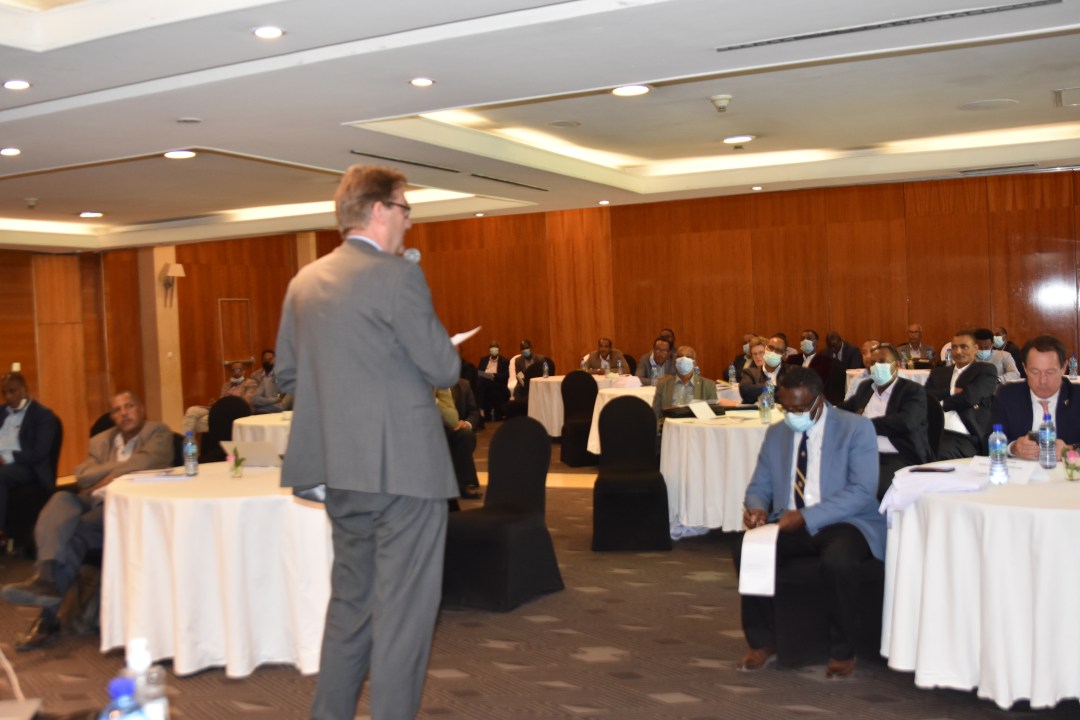
Resilient Agriculture for Inclusive and Sustainable Ethiopian Food Systems (RAISE-FS) is a four year project (2021-2025) funded by the Embassy of the Kingdom of the Netherlands in Addis Ababa and hosted by Stichting Wageningen Research Ethiopia, which is an international NGO based in Addis Ababa. With the vision of having a more resilient, inclusive, and … Continue reading RAISE-FS: supporting food system transformation endeavours in Ethiopia
 raise-fs.org